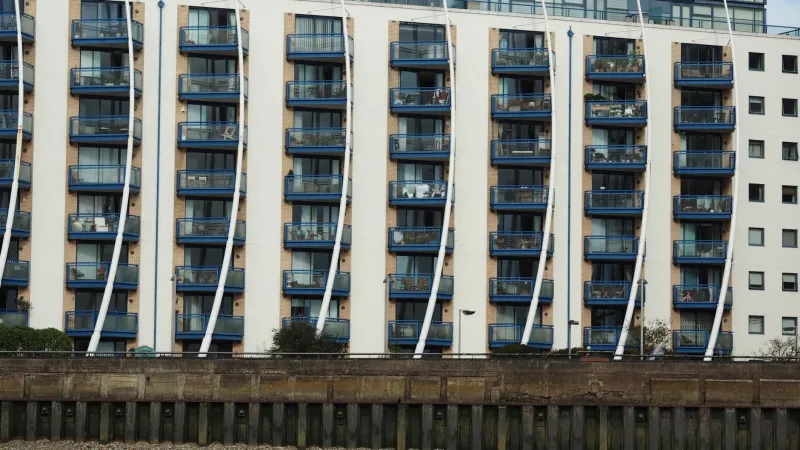
The Cold Gap: Why Low London Rents Can Carry High Winter Costs
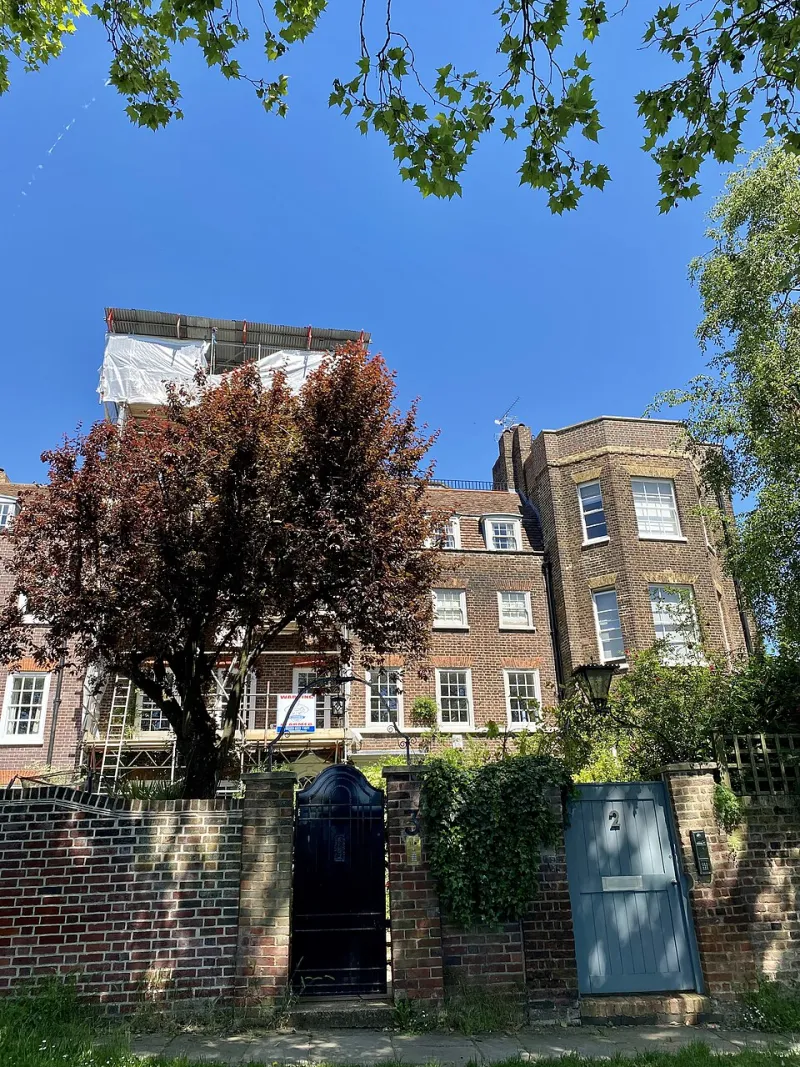
Photo: No Swan So Fine, CC BY-SA 4.0, via Wikimedia Commons
At first glance, the advert looks like a release valve. A one-bedroom flat in an outer London borough, advertised at several hundred pounds a month less than a comparable home closer to the centre, appears to offer exactly the kind of breathing space that London renters are told to seek. But the headline rent is only one line in the household budget. As winter 2026 begins, a cheaper flat with a poor energy performance certificate, expensive heating and unresolved damp can become a false economy.
This is the cold gap: the distance between what a renter pays in rent and what they actually pay to keep a home warm, dry and habitable. In London, that gap is not evenly distributed. It clusters in older terraces, converted flats and off-gas-grid pockets, often in boroughs where rents are lower precisely because the housing stock is older and less efficient.
The arithmetic of a cheap rent
A review of available EPC data and advertised rents suggests that several outer London boroughs continue to combine relatively lower headline rents with a higher share of homes rated D or below. Barking and Dagenham, Havering, Bexley, Croydon and Enfield all contain neighbourhoods where this pattern is visible, though the picture varies street by street. The issue is not the borough label; it is the building.
A flat with single glazing, weak loft insulation and a legacy electric heating system can cost far more to run than its rent suggests. Storage heaters charged overnight may look economical on a standard tariff, but poor controls and draughty windows can leave tenants paying for heat that escapes before the room is comfortable. Where there is no gas connection, the options for cheaper heating are narrower. Where there is damp, the cost is not only financial: it affects health, furniture, clothing and the usable space in the home.
For a renter choosing between two flats, the difference may be less about the rent than about the EPC rating, the heating system and the state of the windows. A home rated E may be legally lettable, but that does not make it cheap to run. The cold gap widens when a tenant cannot control the heating, cannot afford to run it, or cannot get the landlord to address the underlying cause.
Where the cold gap bites hardest
The boroughs where the cold gap is most acute are not necessarily the poorest in London, but they are often the places where older private rented stock meets lower incomes and limited enforcement capacity. In parts of Barking and Dagenham and Havering, the private rented sector has expanded quickly in older housing. In Bexley and Croydon, semi-detached and terraced homes that were once owner-occupied are now split into flats, sometimes with heating systems that were never designed for multiple households. In Enfield, the contrast between newer developments and older street properties can be stark.
These are broad patterns, not uniform conditions. A well-insulated flat above a warm shop may be cheap to run even if the borough average looks poor. A new-build with a good EPC may still have high service charges or overheating problems in summer. The point is that renters need building-level information, not borough-level assumptions.
What tenants can ask for
Tenants in England can check the EPC register before signing a tenancy, and landlords must normally provide an EPC before a new tenancy begins. That certificate is not a guarantee of comfort, but it is a starting point. It shows the asset rating, the main heating system and recommendations for improvement. A renter who sees an EPC D or E should ask specific questions: What heating system serves the flat? Is it controlled by the tenant? Are there draught-proofing measures? Has damp been treated, and is there a record of the cause?
The next step is to put concerns in writing. Reports of damp and mould should be dated and photographed. Requests for repairs should be sent to the landlord or letting agent, with a clear description of the problem and its effect on the property. If the landlord does not act, tenants can contact their local authority's environmental health team. Councils have powers to inspect hazards under the Housing Health and Safety Rating System, though capacity varies considerably.
For energy efficiency, tenants can ask landlords about insulation, heating controls and glazing, but they cannot force major works simply because bills are high. The legal framework is stronger on specific hazards than on general comfort. Proposed minimum energy efficiency standards, including a possible EPC C requirement for rented homes by 2030, would raise the floor if implemented and enforced. But the detail matters: exemptions, cost caps and enforcement funding will determine whether the cold gap actually closes.
The limits of enforcement
The policy conversation often assumes that a minimum standard is self-executing. It is not. Local authorities need staff, data and the willingness to pursue landlords who ignore notices. Tenants need confidence that complaining will not lead to retaliation, a concern that the Renters' Rights reforms are meant to address but that will depend on how the new rules operate in practice. The Decent Homes Standard and Awaab's Law have raised expectations in the social rented sector; the private rented sector still relies heavily on individual complaints and local enforcement.
There is also a pricing problem. If landlords are required to improve homes, some will pass the cost on through rent. That may be fair if the result is a genuinely warmer, healthier home, but it is not fair if the work is cosmetic or the savings do not reach the tenant. The case for minimum standards rests on the idea that a rented home should be a functioning home, not a speculative asset with a roof.
A winter checklist for renters
Before signing, ask for the EPC and read the heating section. Check whether the windows close properly and whether there are signs of damp near windows, skirting boards or ceilings. Ask what the average monthly energy cost has been, and ask for it in writing. On moving in, photograph the meter readings and any existing damp. Keep a record of correspondence. If the flat is cold because of a repair issue, report it as a repair, not merely as a high bill.
None of this closes the cold gap on its own. But it shifts the conversation from headline rent to the true cost of living in a home. As winter 2026 sets in, London's affordability debate should count the price of warmth, not just the price of the keys.