The Counter and the Flat Above: Can Community Purchase Fix London’s Empty Shops in 2026?
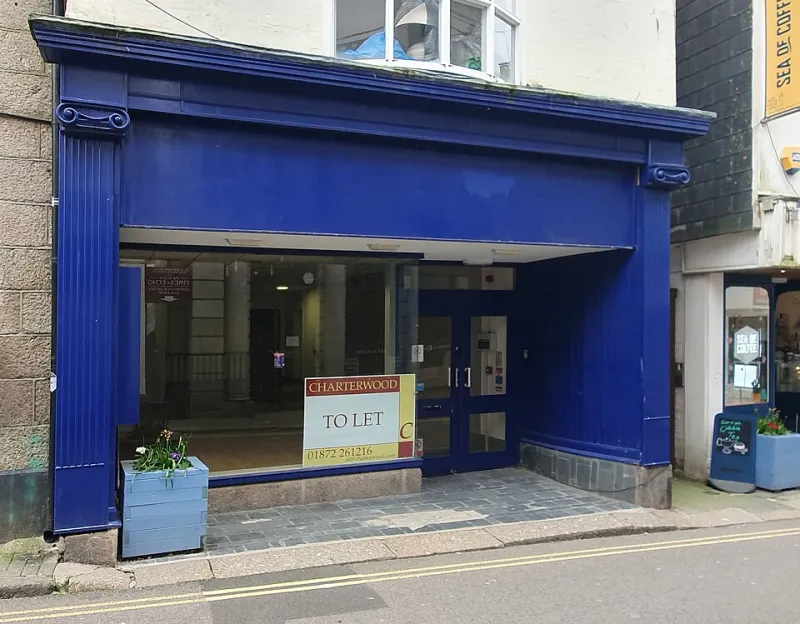
Photo: Mutney, CC BY 4.0, via Wikimedia Commons
London’s high streets are not short of empty counters. They are short of a credible route from vacancy to homes that people on ordinary incomes can afford. The policy bundle often called community right to buy — asset-of-community-value listing, the right to bid and borough-led disposal of public land — has been presented as one such route. In 2026, the test is not whether the idea is attractive. It is whether community organisations can carry a building from auction to habitation without being sunk by surveys, funding gaps and the sheer operating weight of becoming a landlord.
What the Powers Actually Allow
In England there is no single statutory community right to buy. The Localism Act 2011 created Assets of Community Value and the community right to bid. Listing gives a moratorium, usually six months, during which a community group can raise finance and make an offer when a listed asset is put up for sale. It does not give a right of first refusal, and it does not force a sale to the community. The Levelling-up and Regeneration Act 2023 added high street rental auctions, allowing councils to auction leases on long-vacant premises. Used together, these powers can create a window. They do not create the money.
That distinction matters in London. Several boroughs have listed pubs, markets, community centres and high-street premises as assets of community value. Some have used planning policy to resist the loss of ground-floor retail. Others have disposed of small sites to community land trusts or development trusts. But the powers are procedural. They buy time, not buildings.
Why Empty Shops Attract Housing Arguments
A vacant shop with flats above is an attractive proposition on paper. It already sits within a town centre, close to transport and services. It may have upper floors that have been neglected or used as storage. It can support a mixed-use scheme in which the ground floor remains a shop, café or community space and the floors above become homes. That model fits the town-centre-first logic of London planning and avoids the loss of Green Belt or playing fields.
The physical reality is less tidy. Upper floors may have poor access, inadequate fire safety, low ceiling heights or structural problems. Converting retail space to residential use raises questions about acoustics, ventilation, daylight, building safety and the separation of homes from commercial activity. A shopfront may be in a conservation area. A building may be old, awkward and expensive to insure. None of these issues is fatal, but each adds cost and time. Community groups often discover them only after they have spent money on an options appraisal.
The Funding Arithmetic
Community purchase depends on two budgets: acquisition and refurbishment. The first is visible at the point of bid. The second is where schemes fail. Surveys, structural works, fire safety upgrades, accessibility, kitchen and bathroom installations and professional fees can easily exceed the purchase price of a small vacant unit.
Community shares, charitable grants, borough empty-property funds and affordable housing grant can all play a part. But grant regimes tend to favour larger schemes, registered providers and projects with a clear revenue model. Small mixed-use schemes fall between stools: too small for some affordable housing programmes, too complex for volunteer fundraising. National community-ownership funding has been time-limited and heavily competitive. Borough programmes vary widely, and a change in local political priorities can interrupt a pipeline that took years to assemble.
The affordable housing question is therefore not only about rent levels. It is about whether a community organisation can carry debt, manage cash flow and survive a void period. A scheme that promises social rent but relies on a fragile retail income stream is not genuinely affordable; it is a forecast with a shop attached.
Capacity Is the Binding Constraint
Community groups are not developers. They can be excellent at campaigning, consultation and local knowledge. They are rarely equipped to manage a building contract, a fire risk assessment or a thirty-year asset management plan. A volunteer board can oversee a feasibility study. It cannot easily absorb the professional burden of becoming a landlord.
The stronger models involve partnership. A community land trust, development trust or housing association can hold the asset and the tenancy management, while the community group retains a stake in the ground-floor space or a role in governance. Boroughs can supply land, long leases or pre-development grants. Without that scaffolding, community purchase risks becoming a transfer of risk from the public sector to the least resourced organisation in the room.
What Would Make It Work
Several reforms would improve the odds. Pre-development grants should cover surveys and professional fees before a bid, not after. Councils should be able to dispose of small sites on long leases at less than market value where affordability is secured. Funding should recognise mixed-use schemes, not just pure housing or pure community assets. Shared back-office support for small providers would reduce the cost of compliance. And planning agreements should specify affordable rent levels and nomination rights in terms that survive the first change of landlord.
Community ownership also needs a realistic definition of success. It will not solve London’s housing shortage. It can, however, keep a local shop, provide a handful of homes at genuinely affordable rents and give residents a stake in a high street that otherwise becomes an investment listing. That is a modest outcome, but it is not a trivial one.
The Verdict
Community purchase can deliver affordable homes in London in 2026 where land, grant and professional capacity align. It is least likely to work where the building is complex, the funding is thin and the community group is expected to act as developer, landlord and social service in one. Empty shops are not a housing policy on their own. They are a test of whether London’s community ownership ambitions can move from listing to lease, and from lease to keys, without replicating the capacity problems that have stalled small housing providers for years.